
Mastering Natural Light for Stunning Photos: Essential Techniques and Timing for Commercial and Outdoor Photography

Watson’s Bay Sunset - Sydney
By Stephen Emmas, Street Escape Photography
Natural light is a powerful tool in photography, capable of transforming ordinary scenes into breathtaking images. Understanding how to harness this natural resource can significantly enhance the quality of your photographs, especially in commercial and outdoor settings.
This article will delve into essential techniques for using natural light effectively, optimal timing for capturing stunning images, and tips for achieving the best lighting effects. By mastering these elements, photographers can create visually compelling images that resonate with viewers and elevate their work.
In this guide, we will explore various techniques for utilising natural light, the best times to shoot, and how to adapt to different lighting conditions. Additionally, we will discuss the key properties of natural light and how they influence image quality and mood.
Finally, we will highlight successful case studies from Street Escape, that effectively showcases their projects through natural light photography.
Techniques for Using Natural Light
Utilising natural light in photography involves understanding its characteristics and how to manipulate it to your advantage. Key techniques include:
Golden Hour Shooting: The golden hour, occurring shortly after sunrise and before sunset, provides soft, warm light that enhances the beauty of any scene.
Understanding Light Direction: Knowing the direction of light can help you create depth and dimension in your images. Side lighting can add texture, while backlighting can create silhouettes.
Utilizing Reflectors: Reflectors can bounce light onto your subject, filling in shadows and creating a more balanced exposure.
These techniques are essential for photographers looking to enhance their work with natural light. Street Escape, for instance, employs these methods to highlight the architectural features of their projects, ensuring that the final images are both striking and representative of their quality.
Optimal Timing
Timing is crucial when it comes to capturing the best natural light. Photographers must be aware of the following:
Golden Hours: The best times for shooting are during the golden hours, where the light is soft and flattering.
Midday Considerations: Shooting during midday can result in harsh shadows and overexposed highlights. If necessary, seek shaded areas or use diffusers to soften the light.
Understanding these timing considerations allows photographers to plan their shoots effectively, ensuring they capture the best possible images.
Tips for Achieving the Best Lighting Effects
To maximize the effects of natural light in photography, consider the following tips:
Scout Locations: Visit potential shooting locations at different times of day to understand how light interacts with the environment.
Plan for Weather Conditions: Cloudy days can provide diffused light, which is ideal for portraits and close-ups.
Use Natural Elements: Incorporate elements like trees or buildings to create interesting shadows and highlights.
These strategies can significantly enhance the quality of your photographs, making them more visually appealing and engaging.
Understanding Natural Light Conditions
Natural light conditions can vary greatly depending on the time of day, weather, and location. Photographers must be adaptable and aware of these changes to make the most of their shooting environment. Observing how light shifts throughout the day can help photographers anticipate the best moments for capturing stunning images.
What Are the Key Properties of Natural Light in Photography?
Natural light possesses several key properties that influence photography:
Authenticity: Natural light provides a genuine representation of colors and textures, enhancing the overall realism of images.
Emotional Connection: The quality of light can evoke different emotions, impacting how viewers perceive the image.
Reduced Post-Production Time: Utilising natural light effectively can minimize the need for extensive editing, allowing for a more authentic final product.
How Does Natural Sunlight Influence Image Quality and Mood?
Natural sunlight plays a crucial role in determining the quality and mood of photographs. The warmth of golden hour light can create a sense of tranquility, while harsh midday sun can evoke energy and vibrancy. Understanding these effects allows photographers to choose the right time and conditions for their desired outcome.
What Are the Effects of Diffused Light and Shadows on Commercial Photography?
Diffused light, often found on overcast days, softens shadows and reduces contrast, making it ideal for commercial photography. This type of lighting can create a flattering effect on subjects, enhancing their features without harsh lines. Shadows, when used creatively, can add depth and interest to images, making them more dynamic.
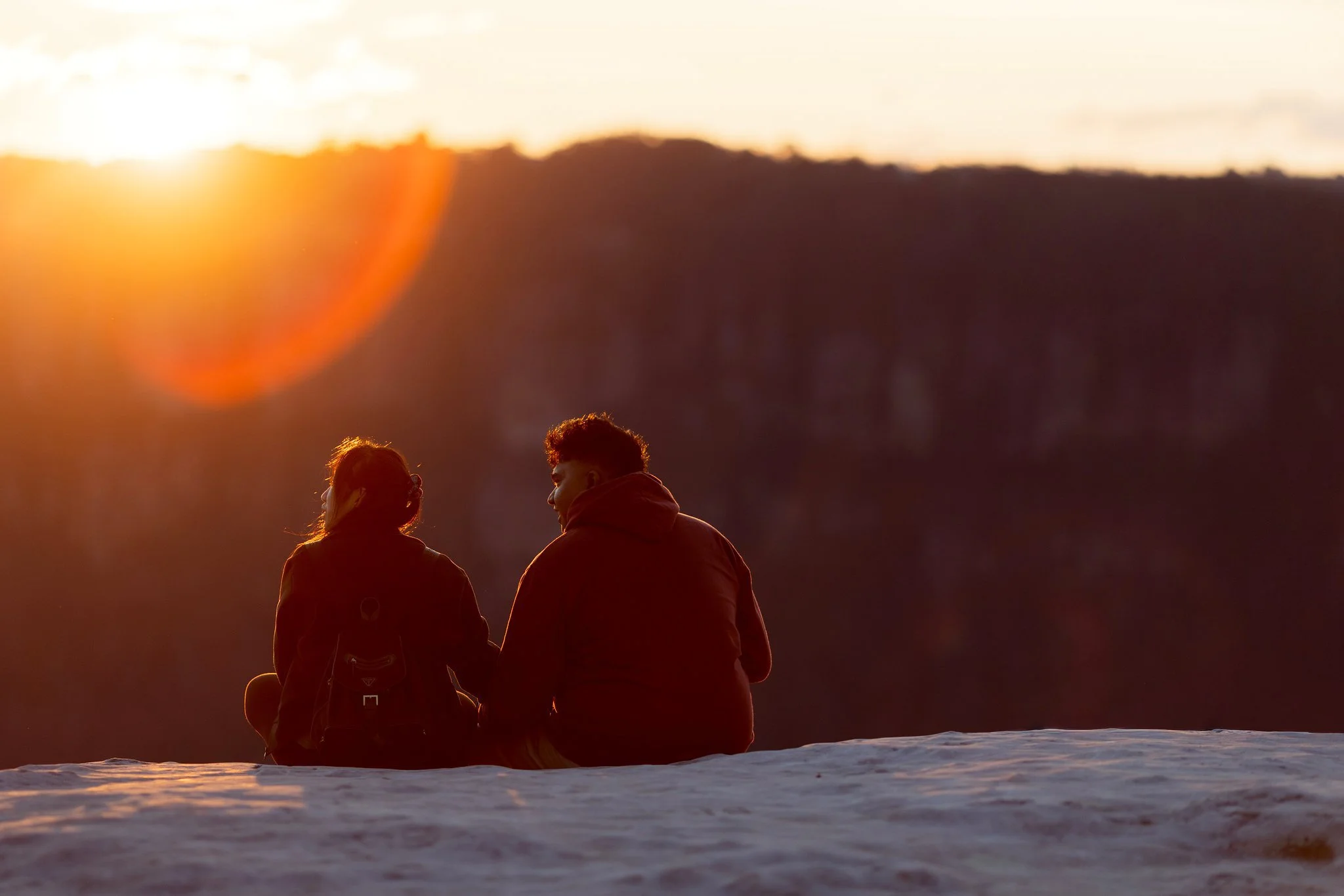
Blue Mountains - Couples Portrait - Sydney
When Is the Best Time for Capturing Natural Light Photos?
The best time for capturing natural light photos is during the golden hours, which provide the most flattering light conditions. Additionally, understanding weather patterns can help photographers anticipate optimal shooting times. For instance, a cloudy day can offer soft, diffused light that is perfect for portraits.
Why Is the Golden Hour Optimal for Outdoor and Architectural Photography?
The golden hour is optimal for outdoor and architectural photography due to its soft, warm light that enhances colors and textures. This time of day allows photographers to capture stunning images with minimal harsh shadows, making it ideal for showcasing architectural details and outdoor scenes.
How Do Different Times of Day Affect Lighting Conditions in Commercial Projects?
Different times of day can significantly impact lighting conditions in commercial projects. Morning light tends to be softer and more diffused, while afternoon light can be harsher. Understanding these variations allows photographers to plan their shoots effectively, ensuring they capture the best possible images for their clients.
Which Techniques Enhance Natural Light Usage in Commercial Construction Photography?
In commercial construction photography, several techniques can enhance the use of natural light:
Use of Reflectors: Reflectors can help fill in shadows and create a more balanced exposure.
Best Practices for Sunlight: Positioning the camera to take advantage of sunlight can highlight architectural features effectively.
How Can Reflectors and Diffusers Improve Lighting in Project Photography?
Reflectors and diffusers are essential tools for improving lighting in project photography. Reflectors can bounce light onto the subject, reducing harsh shadows and creating a more even exposure. Diffusers can soften direct sunlight, providing a more flattering light quality for architectural features.
What Are Best Practices for Using Sunlight to Highlight Architectural Features?
To effectively use sunlight in highlighting architectural features, consider the following best practices:
Timing of the Shoot: Schedule shoots during the golden hour for optimal light conditions.
Dynamic Angles: Experiment with different angles to capture the interplay of light and shadow on the building's surfaces.
Highlighting Features: Focus on unique architectural elements that can be accentuated by sunlight.
What Equipment and Tools Optimize Natural Light Photography Outcomes?
To optimise natural light photography outcomes, certain equipment and tools are essential:
Camera Settings: Adjusting ISO, aperture, and shutter speed can help capture the best images in varying light conditions.
Lenses and Filters: Using the right lenses and filters can enhance image quality and control light exposure.

Sunset Celebration - Sydney
Which Camera Settings Best Capture Natural Light in Outdoor Environments?
To capture natural light effectively in outdoor environments, consider the following camera settings:
ISO Settings: Use a low ISO to reduce noise in bright conditions.
Aperture Adjustments: A wider aperture can create a shallow depth of field, isolating subjects against a blurred background.
How Do Lenses and Filters Affect Natural Light Image Quality?
Lenses and filters play a significant role in determining the quality of images captured in natural light. High-quality lenses can enhance sharpness and clarity, while filters can help manage reflections and glare, resulting in more balanced exposures.
How Can Post-Processing Enhance Natural Light Photos for Commercial Use?
Post-processing can significantly enhance natural light photos, allowing photographers to refine their images while maintaining authenticity. Techniques such as color correction and exposure adjustments can help achieve the desired look without compromising the natural qualities of the light.
What Editing Techniques Preserve Authenticity While Enhancing Light Effects?
To preserve authenticity while enhancing light effects, consider using subtle editing techniques that maintain the original character of the image. Adjusting brightness and contrast can help highlight the natural light without overwhelming the photograph.
How Does Color Correction Impact Brand Identity in Natural Light Images?
Color correction is crucial in maintaining brand identity in natural light images. Consistent color tones can reinforce brand recognition and ensure that images align with the overall aesthetic of the company. This is particularly important for commercial projects where visual consistency is key.
What Are Successful Case Studies of Natural Light Photography in Streetscape Projects?
Street Escape has effectively utilised natural light in various projects, showcasing the beauty and functionality of their designs. By employing the techniques discussed, they have created compelling images that resonate with clients and stakeholders.
How Has Street Escape Utilised Natural Light to Showcase Education and Hospitality Projects?
In their education and hospitality projects, Street Escape has leveraged natural light to highlight architectural features and create inviting atmospheres. This approach not only enhances the visual appeal of their work but also communicates the quality and thoughtfulness behind their designs.
What Client Benefits Result from High-Quality Natural Light Project Photography?
High-quality natural light project photography offers several benefits to clients, including:
Authenticity: Images that accurately represent the project build trust and credibility.
Emotional Connection: Well-lit images can evoke feelings that resonate with potential clients.
Reduced Editing Time: Utilizing natural light effectively can minimize the need for extensive post-processing.
These benefits underscore the importance of mastering natural light in photography, particularly for commercial applications where visual impact is paramount.
Frequently Asked Questions
What are the challenges of shooting in natural light?
Shooting in natural light presents several challenges, including fluctuating light conditions, harsh shadows, and the need for quick adjustments. Photographers must be adaptable, as the quality and direction of light can change rapidly throughout the day. Additionally, weather conditions such as overcast skies or direct sunlight can affect exposure and color balance. Understanding these challenges and preparing accordingly, such as using reflectors or diffusers, can help photographers achieve the desired results despite the unpredictability of natural light.
How can I improve my skills in using natural light for photography?
Improving your skills in using natural light involves practice and experimentation. Start by familiarizing yourself with different times of day and how they affect light quality. Take the time to scout locations and observe how light interacts with various environments. Additionally, consider joining photography workshops or online courses focused on natural light techniques. Analyzing your work and seeking feedback from peers can also help you refine your approach and develop a more intuitive understanding of light in photography.
What role does weather play in natural light photography?
Weather plays a significant role in natural light photography, as it directly influences the quality and characteristics of light. Overcast days provide soft, diffused light that is ideal for portraits and close-ups, while sunny days can create harsh shadows and bright highlights. Photographers should be aware of weather forecasts and plan their shoots accordingly. For instance, a cloudy day can enhance colors and reduce contrast, making it a great opportunity for capturing vibrant images without the harshness of direct sunlight.
How can I use natural light for indoor photography?
Using natural light for indoor photography can create beautiful, soft images. To maximize natural light indoors, position your subject near windows or other light sources. Pay attention to the time of day, as light quality changes throughout the day. Utilize reflectors to bounce light onto your subject and fill in shadows. Additionally, consider the color of the walls and furnishings, as they can influence the light's quality and color temperature. Experimenting with different angles and compositions can also enhance the overall effect of natural light indoors.
What are some common mistakes to avoid when shooting with natural light?
Common mistakes when shooting with natural light include ignoring the direction of light, failing to adjust camera settings for changing conditions, and not considering the time of day. Photographers often overlook the importance of golden hour lighting, which can dramatically enhance images. Additionally, neglecting to use reflectors or diffusers can result in unflattering shadows. It's also crucial to be mindful of the background and surroundings, as they can affect the overall composition and impact of the photograph.
How can I create mood and atmosphere using natural light?
Creating mood and atmosphere with natural light involves understanding its qualities and how they affect your subject. For instance, warm light during the golden hour can evoke feelings of warmth and nostalgia, while cooler light can create a more dramatic or somber tone. Experimenting with shadows and highlights can also add depth and interest to your images. Additionally, incorporating elements like fog or reflections can enhance the mood. Ultimately, being intentional about your lighting choices and composition will help convey the desired atmosphere in your photographs.